
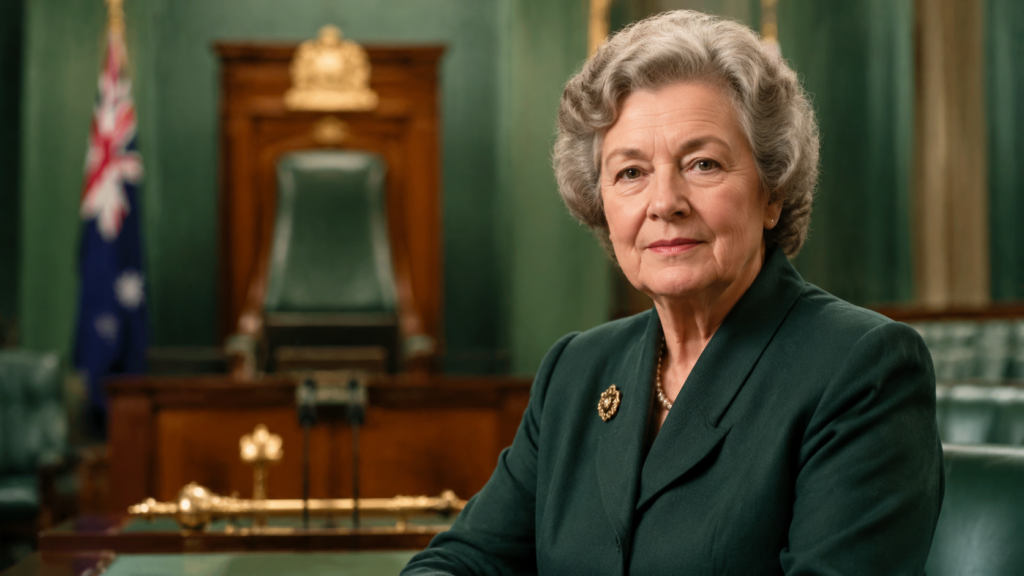

Joan Child is a name that resonates with determination, resilience, and groundbreaking achievement in Australian politics. Rising from humble beginnings as a widowed mother of five, she defied societal expectations and became a pioneer for women in governance. Her journey, marked by both triumphs and challenges, highlights the transformative power of perseverance and dedication. This article delves deep into the life, career, and legacy of Joan Child, offering readers a comprehensive understanding of her remarkable contributions to Australian democracy.
Quick Bio
| Field | Information |
|---|---|
| Full Name | Gloria Joan Liles Child |
| Born | 3 August 1921, Kew, Melbourne, Australia |
| Died | 23 February 2013, Melbourne, Australia |
| Nationality | Australian |
| Party | Australian Labor Party |
| Parliamentary Seat | Henty, Victoria |
| Parliamentary Service | 1974–1975, 1980–1990 |
| Major Achievement | First female Speaker of the House of Representatives |
| Awards | Officer of the Order of Australia, Centenary Medal |
Early Life and Personal Struggles
Joan Child born Gloria Joan Liles in 1921 in Kew, Melbourne, faced hardships early in life that shaped her resilient character. Growing up during a period when women opportunities were limited, she left school at just fifteen and undertook various jobs to support her family. Her experiences as a receptionist, factory worker, and caregiver gave her an intimate understanding of the challenges faced by working women and widowed mothers.
These early struggles instilled in her a profound sense of empathy and social responsibility. Despite personal hardships, including the loss of her husband in 1963, Joan never allowed circumstances to hinder her ambitions. Instead, these challenges fueled her determination to create positive change in society and paved the way for her eventual political career.
Entry into Politics
Joan Child political journey began in 1964 when she joined the Australian Labor Party. Her dedication to community work and women’s advocacy quickly became evident. She actively engaged in local issues, championing the rights of the working class and advocating for policies that promoted social justice.
Her first attempt to win the federal seat of Henty in 1972 ended narrowly in defeat. This setback did not discourage her. In 1974, she achieved a historic victory, becoming the first Labor woman elected to the Australian House of Representatives. This achievement marked a turning point in Australian political history and inspired countless women to pursue public office.
Parliamentary Career and Achievements
During her tenure in Parliament, Joan Child demonstrated remarkable leadership and commitment to her constituents. Representing Henty, Victoria, she focused on critical issues such as social welfare, women’s rights, and community development. Her pragmatic approach and ability to navigate complex political landscapes earned her respect across party lines.
Joan faced setbacks, including losing her seat in 1975, but her resilience saw her return to Parliament in 1980. She steadily rose through the ranks, serving as Deputy Speaker and Chairman of Committees, roles in which she skillfully managed parliamentary procedures and fostered collaboration among members.
First Female Speaker of the House
In 1986, Joan Child reached the pinnacle of her career, becoming the first woman elected Speaker of the House of Representatives. This historic milestone was not just symbolic; it represented a significant step toward gender equality in Australian politics.
As Speaker, she presided over a challenging and often combative parliamentary environment. Her tenure was characterized by efforts to maintain order and fairness in the House while navigating the pressures of a male-dominated institution. Joan’s leadership style combined firmness with empathy, earning her admiration and occasionally facing criticism for challenging entrenched norms.
Legacy and Recognition
Joan Child’s legacy is defined by her trailblazing role in Australian politics. She demonstrated that perseverance and determination could overcome societal barriers. Her contributions paved the way for future generations of women politicians, breaking down barriers in a field historically dominated by men.
In recognition of her service, Joan Child was appointed an Officer of the Order of Australia in 1990 and received the Centenary Medal in 2001. Her name continues to inspire aspiring leaders, highlighting the importance of resilience, vision, and dedication in public service.
Challenges and Controversies
Despite her achievements, Joan Child’s career was not without challenges. She navigated a political environment resistant to female leadership, facing scrutiny and criticism that often exceeded what her male counterparts experienced. Some contemporaries questioned her assertiveness, while others praised her courage and ability to maintain dignity under pressure.
Her journey underscores the dual nature of pioneering leadership: the triumph of breaking barriers, juxtaposed with the negativity and resistance that often accompanies change. Joan Child’s experience reflects the broader struggle of women in politics, making her story both inspirational and cautionary.
Read More: Vegas Matt Net Worth: The Fortune Behind the High-Stakes Gambling Star
Conclusion
Joan Child story is one of resilience, courage, and groundbreaking achievement. From personal hardships to political triumphs, she exemplifies the impact that dedication and vision can have in reshaping society. As Australia’s first female Speaker, she left an indelible mark on parliamentary history, inspiring countless women to pursue leadership roles in politics and beyond. Her life serves as a powerful reminder that determination and integrity can overcome barriers, leaving a lasting legacy of positive change.
FAQ
Who was Joan Child?
Joan Child was an Australian politician who became the first female Speaker of the House of Representatives and the first Labor woman elected to the House.
What are Joan Child’s major achievements?
Her achievements include pioneering female leadership in Parliament, advocating for social justice, and serving as Deputy Speaker and Speaker of the House.
When did Joan Child serve as Speaker?
She served as Speaker from 1986 to 1989, presiding over the House with firmness and empathy.
Why is Joan Child significant in Australian history?
She broke gender barriers in politics, inspiring future generations of women leaders and contributing to social equality and parliamentary reform.
What recognition did Joan Child receive?
She was awarded the Officer of the Order of Australia in 1990 and received the Centenary Medal in 2001 for her service to Australian politics.