

Introduction
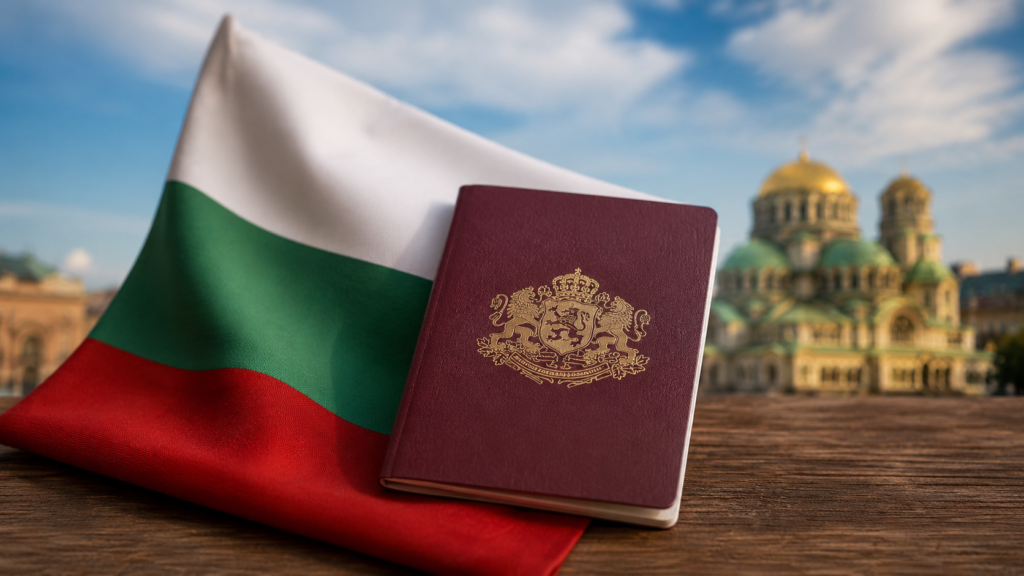
The term Prasanja za bugarski pasos is widely searched by individuals who are interested in obtaining Bulgarian citizenship and a Bulgarian passport. In many Balkan countries, this phrase refers to the questions, requirements, and procedures involved in the citizenship application process. Understanding these questions can significantly improve your preparation and confidence before attending any official interview or submitting documentation.
A Bulgarian passport is highly valuable because it provides access to the European Union and numerous international opportunities. However, many applicants face challenges due to incomplete information, document inconsistencies, or lack of preparation. This guide explains everything about Prasanja za bugarski pasos, including common interview questions, eligibility requirements, advantages, disadvantages, and practical tips for success.
Quick Bio
| Topic | Details |
|---|---|
| Keyword | Prasanja Za Bugarski Pasos |
| Meaning | Questions related to Bulgarian passport and citizenship applications |
| Purpose | Citizenship verification and eligibility assessment |
| Common Applicants | Individuals with Bulgarian ancestry or legal eligibility |
| Main Focus | Documentation, family history, and personal information |
| Benefit | Potential access to European Union opportunities |
| Difficulty Level | Moderate, depending on documentation and preparation |
What Does Prasanja Za Bugarski Pasos Mean?
The prasanja za bugarski pasos literally translates to “questions for a Bulgarian passport.” It is commonly used when discussing the citizenship interview process and the requirements associated with obtaining Bulgarian citizenship.
Many applicants search for these questions to understand what they may encounter during interviews or document verification procedures. Proper preparation helps applicants avoid confusion and ensures their answers remain consistent with the information provided in official records.
Why Is a Bulgarian Passport So Popular?
Access to European Opportunities
One of the strongest reasons people seek Bulgarian citizenship is the potential access to opportunities within the European Union. A Bulgarian passport is considered valuable because it can provide greater mobility and broader possibilities for education, employment, and residence within EU member states according to applicable laws.
Many applicants view the passport as a long-term investment in their future. It may create pathways for professional growth, business expansion, and educational opportunities that might otherwise be difficult to access.
International Travel Advantages
A Bulgarian passport can also offer significant travel advantages. Holders generally enjoy easier access to numerous countries worldwide compared to many non-EU passports.
This benefit attracts applicants who frequently travel for business, tourism, or family purposes. Easier travel procedures often save time and reduce administrative complications.
Eligibility Requirements for Bulgarian Citizenship
Bulgarian Ancestry
One of the most common pathways to Bulgarian citizenship is proving Bulgarian origin through parents, grandparents, or other eligible ancestors. Supporting documentation is usually required to establish this connection.
Applicants must ensure that all family records, birth certificates, and related documents accurately reflect their ancestry. Missing or inconsistent records can create delays during processing.
Naturalization
Naturalization is another route through which eligible individuals may obtain Bulgarian citizenship. This process generally involves meeting legal residence and other statutory requirements.
The exact conditions vary depending on individual circumstances. Applicants should ensure compliance with all current legal requirements before submitting an application.
Common Prasanja Za Bugarski Pasos Interview Questions
Personal Information Questions
Interviewers frequently begin with basic personal information. These questions help verify the applicant’s identity and compare responses with submitted documents.
Examples may include questions about your full name, date of birth, place of birth, current residence, and occupation. Accuracy is extremely important during this stage.
Family Background Questions
Family-related questions are among the most important parts of the interview process. Officials often seek to confirm family connections and Bulgarian ancestry claims.
Applicants may be asked about parents, grandparents, family history, and locations where ancestors lived. Clear and consistent answers can strengthen credibility.
Questions About Motivation
Authorities may ask why an applicant wants Bulgarian citizenship. The goal is often to understand the applicant’s intentions and personal reasons.
Strong answers usually focus on legitimate family connections, educational goals, professional opportunities, or personal interests related to Bulgaria.
Knowledge About Bulgaria
Basic questions regarding Bulgaria’s culture, geography, and history may be included in some cases. Applicants should familiarize themselves with essential facts.
Understanding basic information demonstrates preparation and genuine interest in the country. It can also help create a more confident interview experience.
Positive and Negative Aspects of the Application Process
Positive Aspects
A major positive aspect is the opportunity to obtain a respected European passport through legitimate legal channels. For eligible applicants, the process can provide significant long-term advantages.
Another positive factor is that proper preparation greatly improves the chances of a smooth application experience. Organized documentation and accurate information can reduce many common issues.
Negative Aspects
One negative aspect is that citizenship procedures can take considerable time. Applicants may experience waiting periods while authorities review documents and verify eligibility.
Another challenge is the possibility of delays caused by incomplete paperwork, inconsistencies, or insufficient supporting evidence. Even small errors can sometimes lead to additional administrative steps.
Important Documents for a Successful Application
Identity Documents
Identity verification is a fundamental part of the citizenship process. Applicants are generally expected to provide valid identification documents and supporting records.
These documents help establish personal details and ensure that information remains consistent throughout the application process.
Family Records
Family records often play a critical role when applying through ancestry. Birth certificates, marriage certificates, and historical family documents may be necessary.
The accuracy of these records can significantly influence the outcome of the review process. Keeping copies organized and readily available is highly recommended.
Tips to Prepare for Prasanja Za Bugarski Pasos
Study Your Family History
Applicants should carefully review their family background before attending any interview. Understanding dates, locations, and relationships can help prevent confusion.
Being familiar with your family tree allows you to answer questions naturally and confidently without hesitation.
Review Submitted Documents
Every answer provided during an interview should align with the information contained in submitted documentation. Reviewing documents beforehand can reduce the risk of inconsistencies.
Applicants should pay special attention to names, dates, locations, and family connections that may be discussed during questioning.
Stay Calm and Honest
Confidence and honesty are essential throughout the process. Providing truthful and straightforward answers is generally the best approach.
Attempting to guess information or provide conflicting details may create unnecessary complications. Clear communication helps build credibility.
Read More: Playing Games Blog PlayBattleSquare – Master Gaming Skills and Discover Winning Strategies
Conclusion
Prasanja za bugarski pasos is an important step for anyone considering Bulgarian citizenship. Proper preparation, accurate documentation, and knowledge of common interview questions can significantly improve the application experience. While the process may involve challenges such as administrative delays and document verification, careful planning can help applicants navigate each stage more effectively.
A Bulgarian passport remains an attractive option for many eligible individuals due to its potential benefits and opportunities. By learning about the requirements, preparing thoroughly, and maintaining consistency throughout the process, applicants can approach their citizenship journey with greater confidence and clarity.
FAQ
What does Prasanja za bugarski pasos mean?
It refers to questions and information related to obtaining Bulgarian citizenship and a Bulgarian passport.
Why do people search for Prasanja za bugarski pasos?
Most people search for it to prepare for citizenship interviews and understand the application process.
What are the most common interview questions?
Common questions focus on personal information, family history, Bulgarian ancestry, motivation, and basic knowledge about Bulgaria.
Is family history important for Bulgarian citizenship applications?
Yes. Family history can be extremely important, especially when applying through Bulgarian ancestry.
Can incorrect answers affect an application?
Yes. Inconsistent or inaccurate answers may create delays or require additional verification.
How can I prepare for a Bulgarian citizenship interview?
Review your documents, study your family history, understand your eligibility pathway, and familiarize yourself with basic information about Bulgaria.
Are documents important in the process?
Yes. Accurate and complete documentation is one of the most important factors in a successful application.
What is the biggest challenge during the process?
Many applicants find document verification and processing times to be among the most challenging aspects of the application journey.